PROGRAMS > Elementary - 6 to 12 years
“Education is a natural process carried out by the child … not acquired by listening to words but by experiences in the environment.”
- Dr. Maria Montessori
Program Options
The Elementary Program is offered 5 days per week. The following options are available:
- School-day: 7:30am to 2:30pm
- All-day:
7:30am to 6:00pm (care provided to All-day students for an additional 16 days during the academic year)
What You Might See in an Elementary Classroom
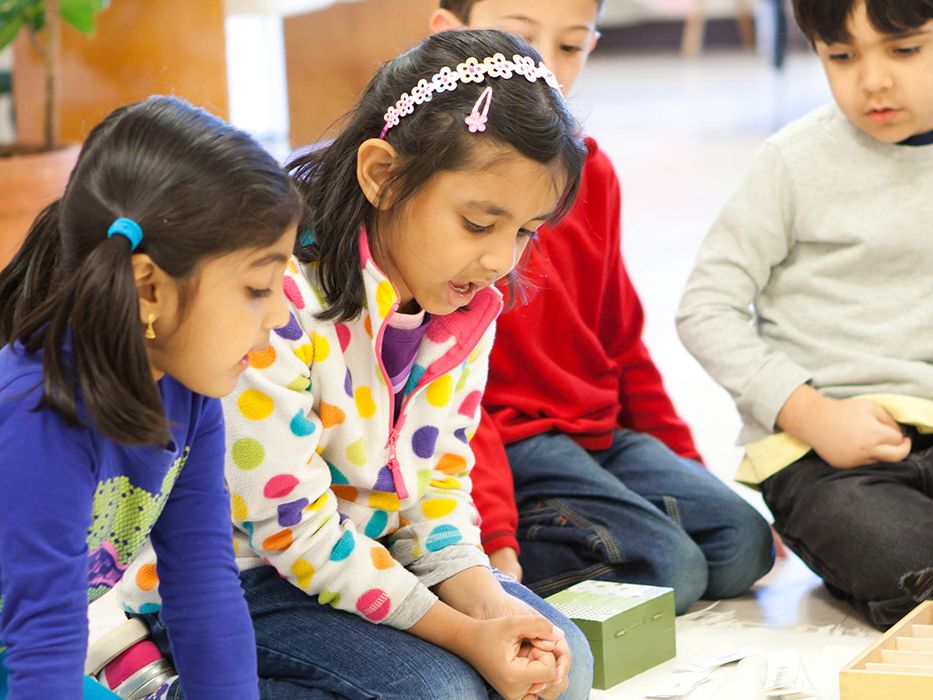
When you enter one of our Elementary classrooms, you are stepping into a learning laboratory where children explore, investigate, and make connections across many areas of knowledge. Building on the strong foundation developed in Primary, Elementary students are developing their reasoning minds and growing ability to think beyond the concrete into the realm of imagination, abstraction, and big ideas.
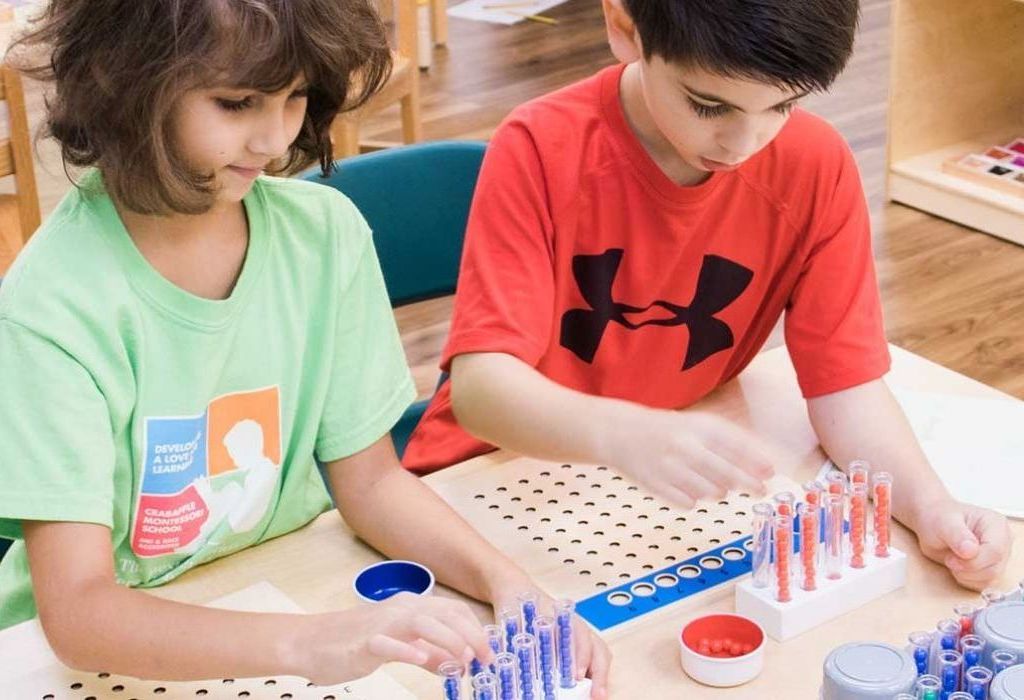
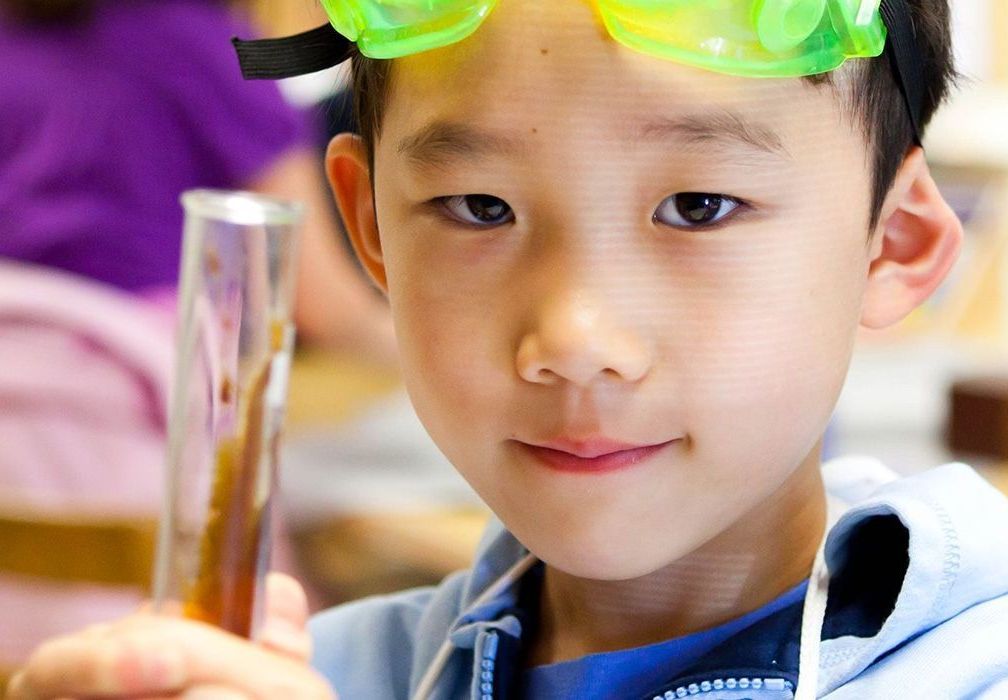
Every day is different, and children are actively engaged in the learning process. You might see a child working through a mathematical challenge on a long scroll of paper, allowing them to explore concepts deeply. You may see students gathered in our science lab area conducting investigations in chemistry, physics, biology, or botany, or researching topics that spark their individual interests.
You might find students in our large classroom kitchen preparing food using ingredients grown in the garden. Others may be collaborating on research projects, creating presentations, interpreting literature, practicing creative writing, or exploring geography, history, and cultural studies.
The Elementary environment is designed to inspire curiosity and help children see the connections between all areas of learning.
Research Orientation
The Montessori Elementary student's learning frequently involves research, discussion, and large-scale projects. The teacher introduces an area of study with a presentation of key information or material and then guides the children in individual or small-groups that explore varied facets of the subject. The spontaneity of exploration sparks the imagination and engages the intellect.
Preparing Children to for the Future
The Elementary guide maintains a close connection with each child, offering thoughtful observations and reflections about effort, growth, and personal potential. Children are encouraged to ask themselves, “How much can I do?” rather than, “How much do I have to do?”
In a world where technology and artificial intelligence can quickly provide information and answers, the ability to ask thoughtful questions, evaluate information, think creatively, and apply knowledge is more important than ever. The Montessori Elementary environment intentionally nurtures these essential skills. Montessori students are prepared not only to adapt to the future but to contribute to it with curiosity, confidence, and purpose.
Learning Through the Story of Humanity
The elementary curriculum covers the following nine essential topic areas, emphasizing the interconnectedness of each.
Nine Building Blocks of the Elementary Curriculum
Language – an immersion into the history, grammar, etymology, and spelling of language including the experience of poetry, prose, drama, dialogue, discussion, debate and research in both oral and written forms.
Geography – a study that begins with the big picture to the local, exploring volcanoes, the work of water, wind and air, and the basic physical properties of matter that have shaped the world we inhabit.
Music – an introduction to reading and writing music, accompanied by beautiful singing exercises every day.
History – a study of the timeline of life, integrating natural and human history and focusing on the unique attributes of different cultures and the universality of all.
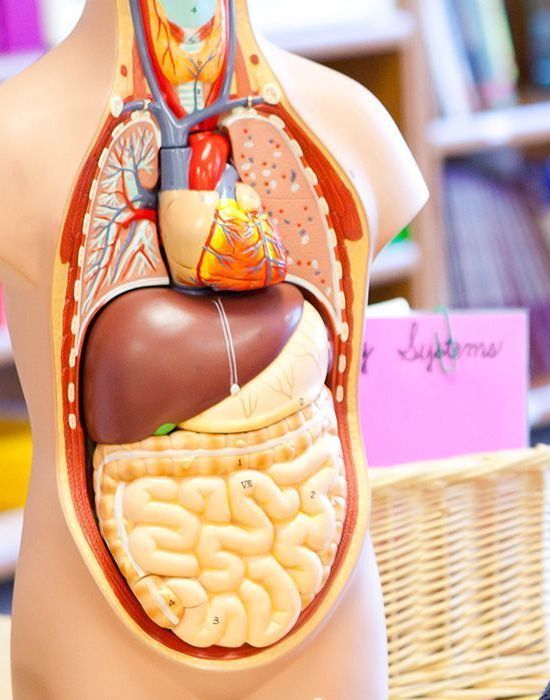
Biology – a curriculum that builds on the fascination children have for plants and animals to emphasize and understanding plant and animal behavior and physiology.
Cosmic Education – a curriculum developed by Dr. Montessori to introduce the child to his or her place and responsibility in society.
Mathematics – a sequence of lessons leading to an understanding of abstract mathematical operations, incorporating the structure of the decimal system, the operations of addition, subtraction, multiplication, and division, and other key concepts.
Art – an important form of selfexpression and part of the daily life of the class, using media like watercolors, chalks, pastels, clay, colored pencil, collage.
Physical Education – skill building to develop consciousness and control of movement, enhance personal confidence, and teach teamwork. Flexibility and strength training are a part of the weekly schedule as well as nutrition education.
Want to Learn More About the Elementary Program?
Request the Curriculum Details!
Complete this form to receive more information about the Elementary program directly in your inbox.
What Our Parents Say
"We love Crabapple Montessori! The classrooms provide a peaceful and calm working environment. Our children come home excited to share about their day’s work – the hands-on Montessori materials provide a true fundamental understanding of concepts and a fun way for them to learn. Montessori has created a love of learning for our sons. The amazing teachers (and truly the entire staff) take such a genuine interest in our children’s complete development, and foster such a warm caring environment. They take the time to really learn each personality and learning style and what makes them tick. They have been incredibly supportive, both emotionally and academically, to our children. We are very thankful to have found CMS 6 years ago and are thankful to be part of such a supportive community."
– RANDI