As parents, we are constantly bombarded with advice, trending theories, and rules on how to raise confident, capable children. While emerging research in child development offers valuable insights, filtering through the noise to find what truly supports our children can feel overwhelming.
In Montessori education, we place immense value on respecting children as autonomous human beings. We honor their growing independence, recognize that their lives are their own to build, and understand that their ideas will sometimes conflict with our own.
However, respecting a child's autonomy does not mean letting them do whatever they want, whenever they want.
There is a profound difference between offering meaningful choices and neglecting to set clear boundaries. To thrive, children need both: freedom to explore and limits that keep them safe.
What Children Need: Choice Inside a Framework of Safety
For children to strengthen their sense of independence, they must practice making their own decisions. But those decisions need to happen within a structure that feels secure.
As children grow, they build trusting relationships with the adults in their lives by testing boundaries. They push against rules not to be difficult, but to discover how steady their environment is and whether the adults mean what they say. Setting firm, loving limits is not restrictive—it is how we show children that they are safe and cared for.
The Balancing Act of Development
- In Early Childhood (Toddler & Primary): Children need fewer, simpler choices and firm, predictable physical and behavioral limits.
- As They Grow (Elementary): As internal discipline develops, we gradually expand their choices and shift toward collaborative boundaries.
This gradual progression allows children to practice decision-making in low-stakes environments, building the executive function skills they will need as adults.
What Freedom Within Limits Looks Like in CMS Classrooms
In our prepared environments at Crabapple Montessori School, choices and limits are thoughtfully built into the physical setup and daily routines.
Here are a few ways this balance comes to life in our classrooms:
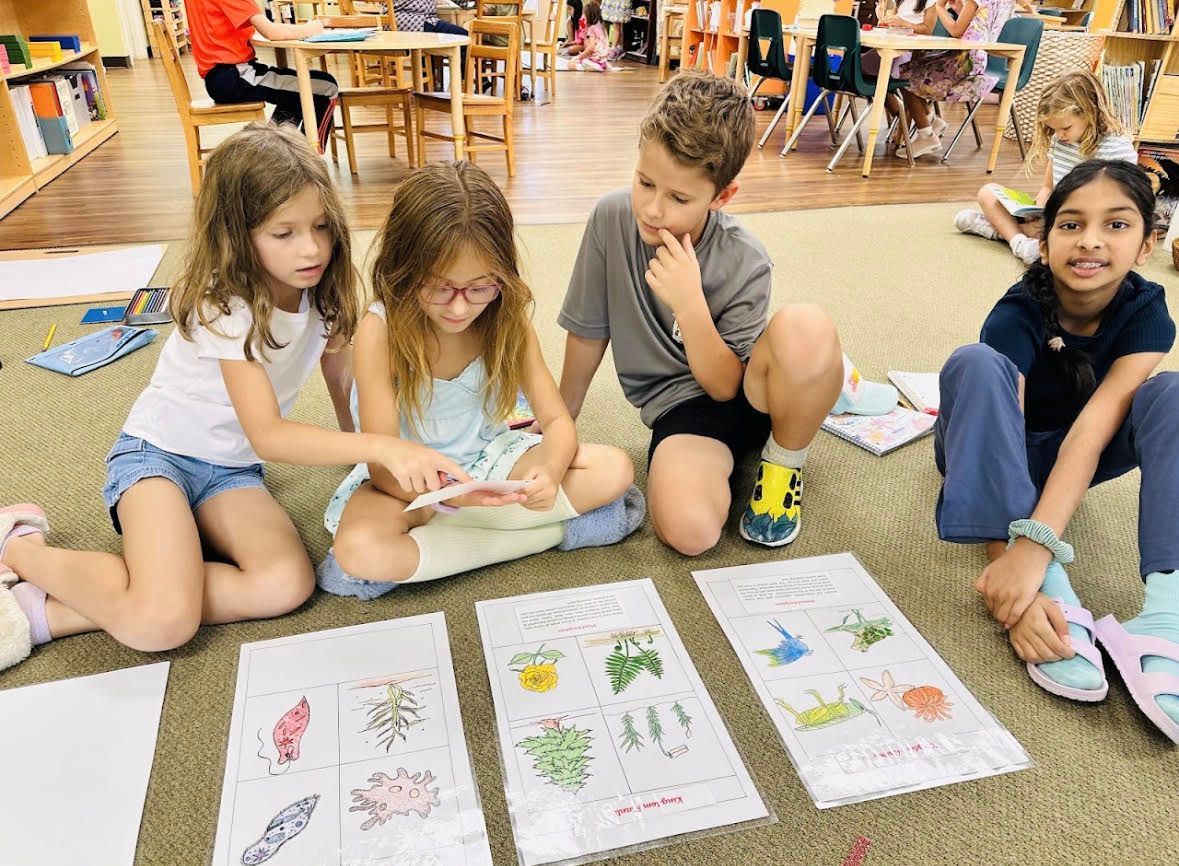
- Intentional Room Layouts: Classrooms feature low, open shelves and light, child-sized furniture, giving children the freedom to select their own materials and move about. However, pathways and shelf placements are deliberately designed to encourage calm, purposeful movement rather than running.
- Curated Material Selection: Children are free to choose any activity on the shelves that they have been shown how to use, but the Guide carefully curates what is available. Materials currently out of rotation are stored out of sight.
- Built-in Natural Boundaries: At our snack tables, seating is intentionally limited to two chairs. Children may choose when to eat and socialize during the work cycle, but the limited seating naturally keeps the activity peaceful and manageable.
- Independent Work Plans: In our Elementary classrooms, students use work plans to manage their day. They have the freedom to decide the order and pace of their subjects (e.g., completing math before language), but they are held accountable for completing their required goals within the given timeframe.
- Self-Regulated Needs: Children do not need to raise their hand or ask permission to use the restroom. Instead, established classroom grace and courtesy procedures empower them to attend to their body's needs independently and responsibly.
Bringing "Freedom Within Limits" Into Your Home
If your family is new to Montessori, shifting away from either overly permissive parenting or rigid control can take a little time. Once you establish a framework of freedom within limits at home, daily routines become smoother and less stressful for everyone.
Here are four practical ways to start:
1. Offer Limited, Real Choices
Instead of an open-ended question like "What do you want to wear today?" (which can cause decision fatigue), narrow the options: "Would you like the blue shirt or the striped shirt today?" For older children, set the boundary first: "You may pick any outfit as long as it is warm enough for playing outside."
2. Offer Choice in Sequence, Not Requirement
When tasks need to get done, keep the requirement non-negotiable, but yield control over the order. For example: "It is time to get ready for bed. Would you like to brush your teeth first or put on your pajamas first?"
3. Separate Emotions from Behavior
Validate your child's feelings while holding the line on acceptable behavior. You might say: "I see that you are frustrated that screen time is over. It is okay to feel mad, but it is not okay to throw toys. Let's take a deep breath together."
4. Solve Problems Collaboratively with Older Children
If an issue like bedtime routines or household chores becomes a friction point with an older child, invite them into the solution. State the boundary clearly ("We need to make sure you get enough sleep for school"), share your concerns, and ask for their input on a routine you can both agree to follow.
Partnering with Crabapple Montessori School
In a culture that often swings between overly controlling and too much flexibility, children look to us to be the steady adults in their lives. By pairing deep respect with clear, consistent limits, we give children the security they need to grow into confident, self-disciplined individuals.
Want to see how our prepared environments balance freedom and order?
We invite prospective and current families to
visit Crabapple Montessori School in Alpharetta to observe our calm, active learning communities in action.