
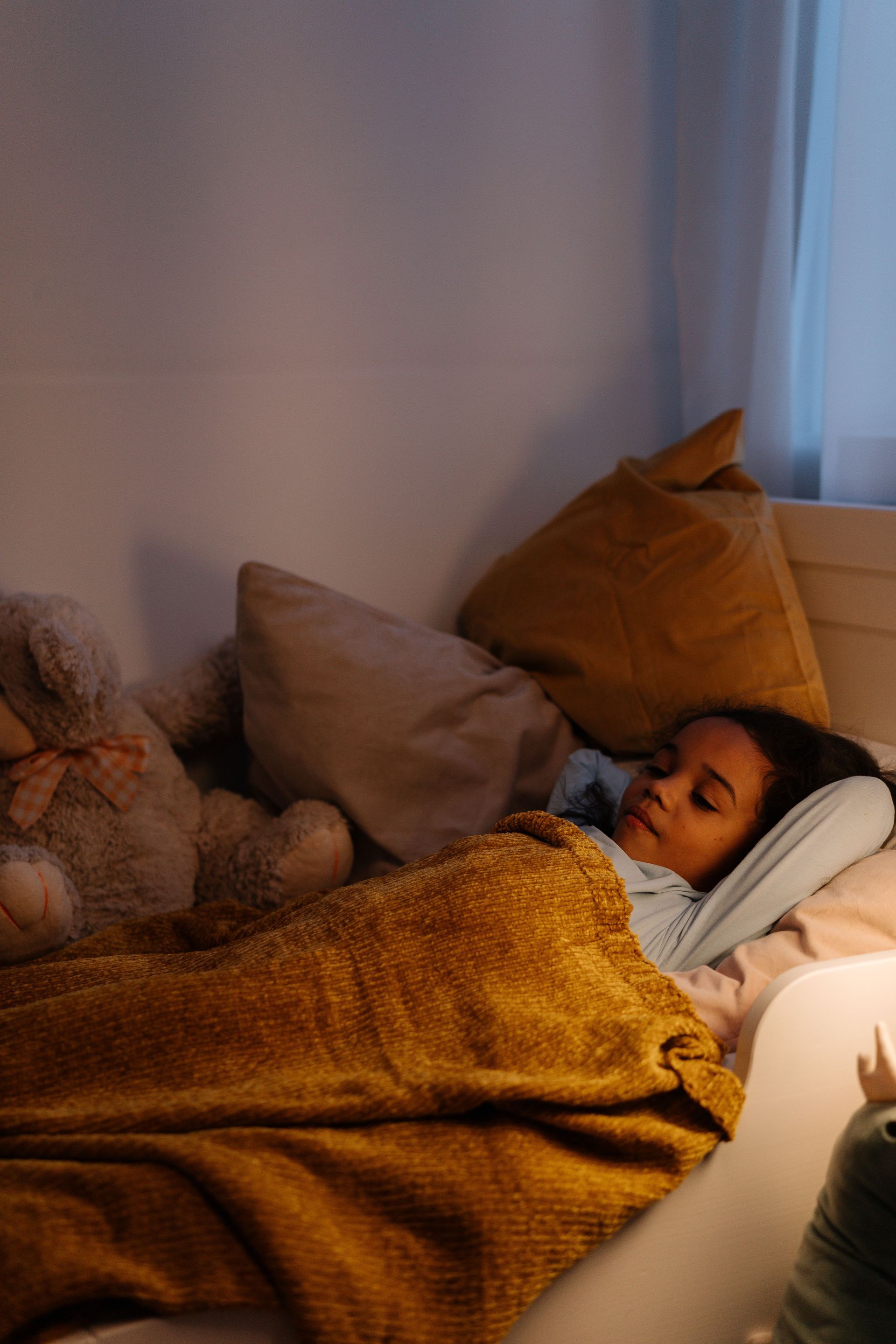
In the Montessori tradition, independence is far more than a buzzword; it is the pathway through which children discover their own capabilities. For our youngest children in the Toddler and Primary communities at Crabapple Montessori School, this journey begins with mastering the fundamental rhythms of daily life: eating, toileting, and sleeping.
Supporting autonomy in these three areas is uniquely significant because they represent the aspects of life where a child ultimately holds complete biological control. By removing obstacles and designing supportive environments both at home and school, we help children build deep, lasting confidence in their own bodies and abilities.
Language Shapes Our Intentions
The language we choose as educators and parents indicates our underlying goals. When a child is learning to use the bathroom, for example, we intentionally call the process "toilet learning" rather than "toilet training." We are not training a pet to comply; we are guiding a human being to acquire an essential life skill and understand their own bodily signals.
Similarly, when it comes to rest, our goal is not "sleep training." Instead, we focus on supporting the child’s natural process of learning how to settle their mind, self-soothe, and transition into deep sleep independently. Frame by frame, we are helping them build a healthy, lifelong relationship with rest.
The Neurodevelopmental Importance of Sleep
An increasing body of pediatric research underscores the profound role that sleep plays in early brain development, memory consolidation, and emotional regulation. A landmark 2007 study noted that the most fundamental requirements for healthy growth in early childhood include loving support from caregivers, adequate nutrition, and adequate sleep. More recently, a 2020 neurodevelopmental review detailed how high-quality rest directly alters brain structure development, specifically mapping to a child's capacity for emotional resilience and executive functioning during the day.
Establishing healthy sleep hygiene in the early years is a critical developmental priority. To achieve this, we can focus on four foundational pillars.
The Four Pillars of Healthy Sleep Hygiene
1. The Sleep Environment
To design a bedroom or rest area that actively invites sleep, it helps to consider the biological triggers of the human brain. Light stimulates alertness, while darkness triggers the release of melatonin, the hormone responsible for sleep.
A high-quality sleep space should be:
- Consistently Dark: Utilize high-quality blackout blinds or curtains to eliminate ambient outdoor light.
- Quiet and Calm: Keep the sleeping area free from visually stimulating toys or active play elements that provoke wakefulness.
- Cool in Temperature: A slightly cooler room mimics the body's natural temperature drop during deep rest cycles, preventing nighttime waking.
2. Regular Routines and Sleep Windows
Children depend on predictable external structures to feel safe enough to yield to sleep. When a child regularly stays up past their optimal biological rest window, their body enters an "overtired zone." This triggers a physiological stress response, releasing cortisol and adrenaline. The resulting "second wind" makes settling down significantly harder, despite the child's exhaustion.
To capture the optimal sleep window, watch for subtle behavioral cues: a sudden drop in focus, minor irritability, eye-rubbing, or seeking physical contact with a caregiver. When these signs appear, the pre-sleep routine should be compressed and direct:
An Optimal Pre-Sleep Routine: Keep the sequence simple and predictable—pajamas, toileting, brushing teeth, one short story, a comforting hug, and lights out. Extensive reading or long, stimulating baths should occur well before this window opens so they do not inadvertently push the child into an overtired state.
3. Clear Sleep Onset Associations
Human beings naturally form strong cognitive associations with the conditions present at the exact moment they drift off to sleep. If a child routinely falls asleep while being rocked, read to, or accompanied by an adult lying next to them, their brain registers those adult interventions as strict requirements for sleep. Consequently, during the brief, natural waking periods that occur between normal sleep cycles at night, the child will look for those exact same conditions to transition back to sleep.
To foster true sleep independence, it is vital to place children in their beds when they are heavy-eyed and drowsy, but still awake. You may comfortably sing a song, read a book, or offer a brief back rub, but ensure these soothing activities conclude before the child actually crosses the threshold into sleep. Transition objects, such as a specific small blanket or a simple stuffed item, can provide a consistent, independent tool for self-soothing throughout the night.
4. Consistent Limits and Developmental Adjustments
As children grow, their sleep architectures evolve, and their boundary-testing strategies become more sophisticated. Toddlers and primary-age children will often attempt to prolong bedtime routines to keep adults engaged.
Maintaining loving, predictable boundaries around bedtime is an act of care. Work collaboratively with your child during the day to establish the steps of the routine, perhaps even drawing or writing them down together. When bedtime arrives, stay calm, gentle, and absolutely consistent. Children test boundaries to ensure their environment is stable and predictable; when the limit holds, they feel secure.
Partnering with Families
At Crabapple Montessori School, we look at the whole child, recognizing that a peaceful day in the classroom is deeply supported by a restful night at home. Navigating the nuances of early childhood sleep and independence can feel overwhelming, but you do not have to do it alone. Our faculty and leadership team are always here to share insights, offer resources, and support your family's unique journey.
Explore Our Prepared Environments
The same principles of order, predictability, and independence that foster healthy habits at home form the bedrock of our Montessori classrooms. We invite prospective families to
see these intentional spaces firsthand.